Best Time to Ski in Southern California: Month-by-Month Guide
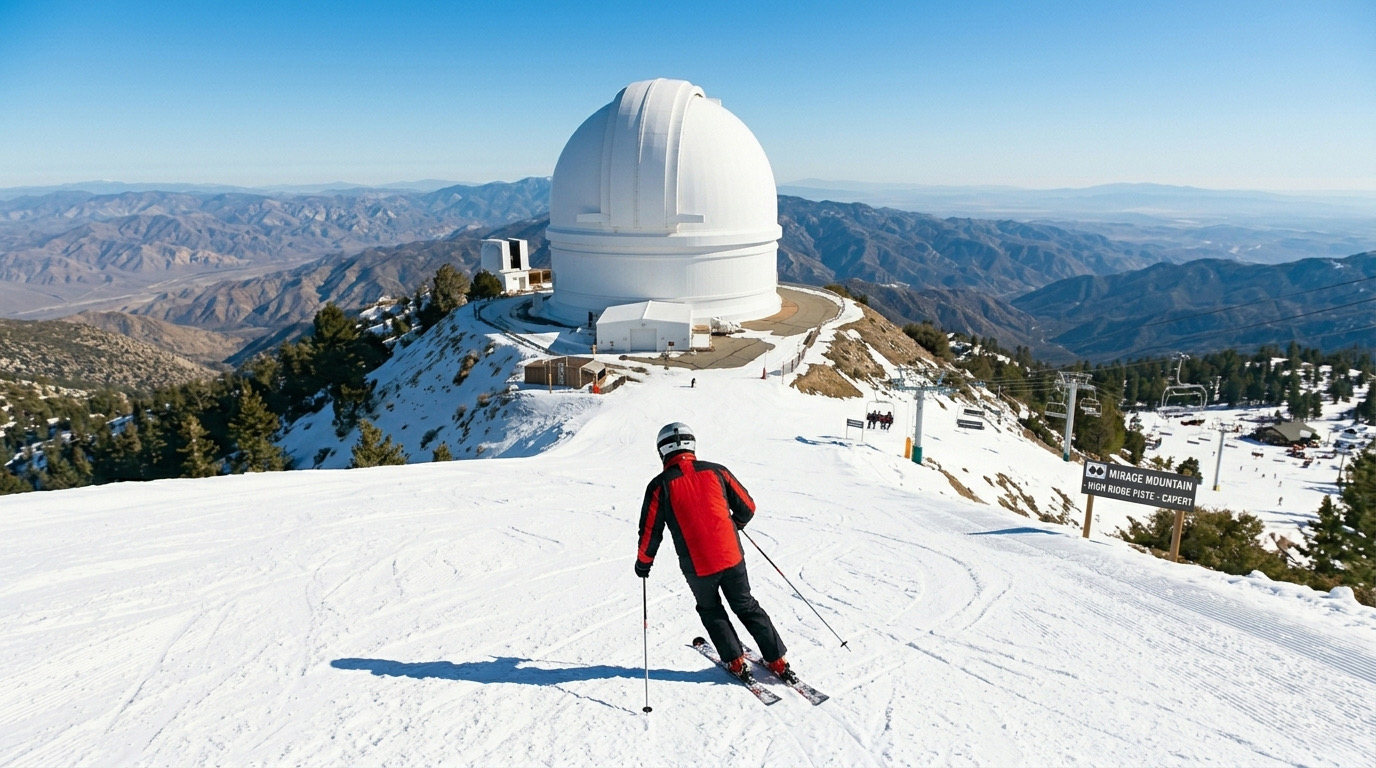
The Best Time to Ski in Southern California Is Late January Through February
The best time to ski in Southern California is late January through February. This window consistently delivers the deepest snowpack, coldest temperatures, most reliable coverage, and best overall conditions across every resort in the region. If you can only pick one stretch of the season to ski, that is the one.
However, the SoCal ski season runs from mid-November through mid-April, and every month offers a different experience. This guide breaks down what to expect each month so you can plan your trips around your priorities, whether that is fresh snow, small crowds, or lower prices.
November: Early Season Opening
Snow conditions: Thin and limited. Resorts that open in November are running almost entirely on machine-made snow. Expect a handful of runs open, mostly beginner and intermediate groomers. Natural snowfall is possible but not guaranteed.
Mirage Mountain conditions: Mirage Mountain Resort typically opens in mid-to-late November, depending on temperatures. Early-season coverage focuses on key runs served by the main lifts. The snowmaking system is aggressive, so even in lean years, there is usually enough terrain to make a visit worthwhile for eager skiers counting down to opening day.
Crowds: Light. Early season draws a dedicated core of locals and pass holders but does not pull the larger casual crowd.
Pricing: Lift tickets are often discounted early in the season, and some resorts run opening-week promotions. This is a good time to buy a season pass if you have not already.
Bottom line: November is for the enthusiast who just needs to be on snow. Conditions are limited, but the excitement of the season starting is its own reward.
December: The Season Builds
Snow conditions: Coverage improves throughout December as snowmaking operations run full tilt and the first significant storm cycles roll through. By mid-December, most resorts have the majority of their terrain open. Snow quality improves as base depths build, though conditions remain variable day to day.
Mirage Mountain conditions: Mirage Mountain typically has strong coverage by mid-December. The mountain’s elevation and snowmaking capacity mean it builds a solid base faster than lower-elevation competitors. By Christmas week, the trail map is mostly open, and conditions are good across the mountain.
Crowds: The first two weeks of December are relatively quiet, especially on weekdays. The week between Christmas and New Year’s is the busiest period of the entire season. Expect long lift lines, full parking lots, and heavy traffic on every access road. If you plan to ski during the holiday break, arrive as early as possible and consider midweek days if your schedule allows.
Pricing: Regular-season pricing is in effect. Holiday-week lift tickets may carry a premium at some resorts. Advance online purchase is almost always cheaper than buying at the window.
Bottom line: Early December is underrated and offers decent conditions without the crowds. The holiday period is fun but intense. Plan accordingly.
January: Peak Season Begins
Snow conditions: January is when Southern California ski season hits its stride. Storm systems from the Pacific deliver the bulk of the region’s annual snowfall during January and February. Base depths reach their peak, and after fresh storms, conditions can rival much larger resorts. Temperatures are consistently cold, which keeps snow quality high and limits the freeze-thaw cycle that degrades coverage.
Mirage Mountain conditions: January is arguably Mirage Mountain’s best month. The combination of accumulated base depth, fresh natural snow from winter storms, and cold temperatures creates the most consistent and enjoyable skiing of the year. All terrain is open, and the mountain skis well from top to bottom.
Crowds: Weekends remain busy, but weekdays in January (once the holiday break ends around January 5th) are some of the best days of the season. Schools are back in session, the holiday rush is over, and the mountains are relatively quiet Monday through Friday.
Pricing: Standard season pricing. No major discounts, but no holiday premiums either. Midweek deals are sometimes available.
Bottom line: January is the sweet spot. Great snow, manageable crowds on weekdays, and the mountain is fully open. This is the month to prioritize if you are chasing the best conditions.
February: The Best Overall Month
Snow conditions: February continues the peak-season pattern established in January. Snowpack is at or near its maximum depth. Storm cycles continue to refresh the surface, and cold temperatures preserve snow quality. This is the most reliable month for finding good conditions on any given day.
Mirage Mountain conditions: Mirage Mountain is in its prime in February. Coverage is wall-to-wall, grooming is dialed in, and the resort operates at full capacity. If there is a signature month for the resort, February is it. Expect consistent conditions, top-to-bottom skiing, and a mountain that feels alive and well-maintained.
Crowds: Presidents’ Day weekend (the third Monday in February) is a busy holiday period that draws large crowds. Outside of that long weekend, February weekdays offer excellent skiing with moderate crowd levels. Weekends are busy but not as intense as the Christmas-to-New Year’s period.
Pricing: Standard pricing. Presidents’ Day weekend may see surge pricing at some resorts. Booking lift tickets online in advance is the best way to secure the best rate.
Bottom line: February is the best overall month to ski in Southern California. Conditions are at their peak, and outside of the Presidents’ Day holiday, crowds are manageable.
March: Spring Transition
Snow conditions: March marks the transition from peak winter to spring skiing. Early March often still feels like winter, with cold temperatures and the possibility of significant late-season storms. By mid-to-late March, daytime warming becomes a factor. Snow softens in the afternoon, creating classic spring conditions: firm and fast in the morning, soft and slushy by early afternoon.
Mirage Mountain conditions: Mirage Mountain holds its coverage well into March thanks to its base depth and elevation. Early March is still very much a winter experience. As the month progresses, the resort transitions to spring operations, which may include slightly later opening times and a focus on maintaining the best runs. The spring vibe is relaxed and enjoyable, with warmer weather and a less intense atmosphere.
Crowds: March is one of the quieter months of the season. Spring break periods bring a bump in visitors, but overall, the urgency of peak season has faded. Weekdays in March are some of the least crowded days you will find all season.
Pricing: Many resorts begin offering spring discounts in March. Lift ticket prices may drop, and end-of-season deals on season passes for the following year often appear. This is a budget-friendly time to ski.
Bottom line: March offers a pleasant combination of decent conditions, lighter crowds, and lower costs. Ski in the morning when conditions are firmest and enjoy the sunshine.
April: Late Season and Closing Day
Snow conditions: April skiing in Southern California depends entirely on how the season went. In big snow years, resorts may operate through mid-April or even later with a solid base and enjoyable spring conditions. In lean years, resorts close earlier as coverage thins and warm temperatures accelerate melt.
Mirage Mountain conditions: Mirage Mountain aims to stay open as long as conditions allow, often into mid-April. Late-season skiing here has a celebratory feel. The remaining terrain is well-groomed, the crowds are small, and the atmosphere is relaxed. Closing weekend is an event in itself, with many pass holders making a final pilgrimage to mark the end of the season.
Crowds: Minimal. April is the quietest month on the mountain. If you value having runs to yourself, this is the time.
Pricing: Discounted lift tickets and end-of-season deals are common. Some resorts offer reduced-price tickets for the final weeks of operation.
Bottom line: April is for the dedicated skier who wants to squeeze every last turn out of the season. Conditions are soft and limited, but the relaxed atmosphere and empty slopes have their own appeal.
Quick Reference: Month-by-Month Summary
| Month | Snow Quality | Crowds | Pricing | Overall Rating |
|---|---|---|---|---|
| November | Limited, machine-made | Light | Discounted | Fair |
| December | Building, good by mid-month | Heavy during holidays | Standard | Good |
| January | Peak conditions | Moderate weekdays, busy weekends | Standard | Excellent |
| February | Peak conditions | Moderate (busy Presidents’ Day) | Standard | Best |
| March | Spring transition | Light | Discounted | Good |
| April | Thin, spring snow | Minimal | Discounted | Fair |
Tips for Timing Your Trips
-
Midweek is always better. Regardless of the month, skiing Monday through Friday delivers shorter lines, more open terrain, and a better overall experience.
-
Watch the weather forecast. The best single days of the season come two to three days after a significant storm, when the new snow has settled and grooming crews have had time to work their magic.
-
Avoid holiday weekends. Christmas week, Presidents’ Day, and spring break are the busiest periods. If you must ski on a holiday, arrive at the resort before the lifts open.
-
Buy tickets online in advance. Nearly every resort offers a discount for advance online purchases compared to window prices. This is especially true at Mirage Mountain, where online pricing is consistently the best deal.
-
Consider a season pass. If you plan to ski more than three or four days, a season pass pays for itself quickly and removes the mental barrier of per-visit cost. Mirage Mountain’s pass is competitive and provides excellent value for the quality of the mountain.